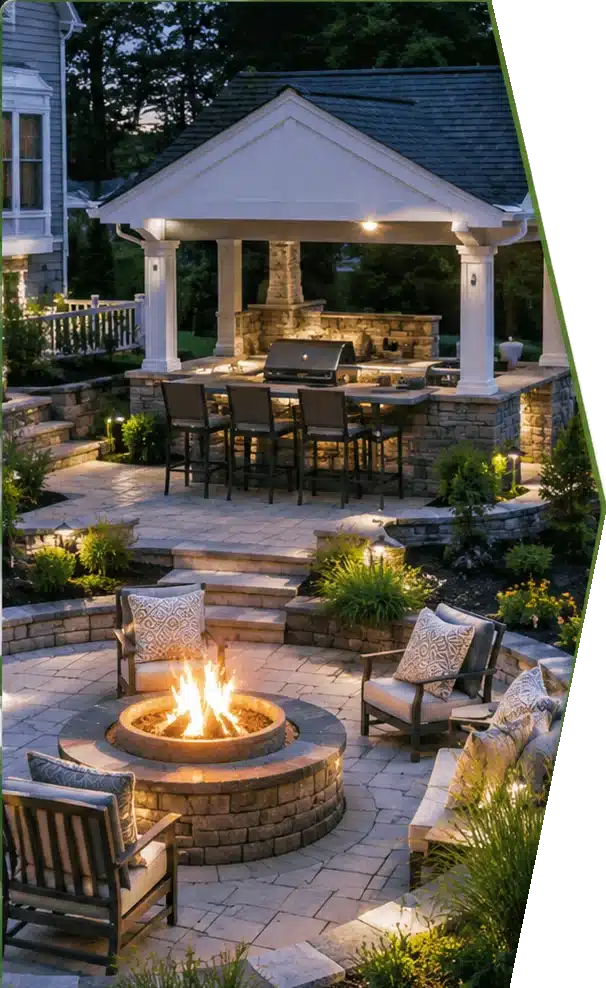
Finding the right paver contractor can make a big difference in the look, strength, and life of your outdoor surface. Whether you need a new driveway, walkway, or other hardscape feature, proper planning and installation matter. LCM PLUS helps homeowners improve their outdoor spaces with careful design and quality workmanship. Before hiring a contractor, it helps to know what to check, what questions to ask, and how to compare your options.
Key Takeaways
Choosing a paver contractor should not be based on price alone. You should look at the company’s experience, past work, materials, installation process, reviews, and written estimate. A good contractor should also explain how the ground will be prepared and how the finished surface will handle water and daily use.
- Check experience with projects like yours.
- Review recent work and customer feedback.
- Ask about site preparation and drainage.
- Compare detailed estimates from several companies.
- Check warranties, insurance, and contract details.
Start by Defining Your Paver Project
Before contacting contractors, decide what you want to build. Pavers can be used in many parts of a property, and each project may have different needs. A walkway does not have the same demands as a driveway. A large entertainment area may also need more planning than a small path. Think about the size of the area, how often it will be used, and the look you want. Having a clear idea of your project will make contractor conversations easier and help you compare estimates more fairly.
Common Paver Applications
Pavers are often used for:
- Driveways
- Walkways
- Pool areas
- Outdoor sitting areas
- Garden paths
- Entry areas
Look for Relevant Experience
Experience is one of the first things to check when comparing contractors. A company may offer paver work, but that does not mean it has handled the type of project you need. Ask how long the company has been doing this work. More importantly, ask about projects similar to yours. A contractor with experience in your type of installation is more likely to understand common site and material challenges. You should also ask who will complete the actual work. A qualified paver installer should understand proper base preparation, grading, edging, cutting, and placement.
Review Their Previous Work
Past projects can tell you a lot about workmanship. Ask to see several recent examples instead of relying on one or two photos. Look closely at the surface. Are the lines straight? Are the edges clean? Do the patterns look even? Check how the pavers meet steps, walls, driveways, doors, and other surfaces. A good portfolio should show different types of work. It can also help you decide which colors, patterns, and layouts may suit your property.
What to Check in Project Photos
Look for:
- Even spacing between pavers
- Clean and straight edges
- Consistent patterns
- Neat transitions
- Good overall surface alignment
Ask About Ground Preparation
What happens under the pavers is just as important as what you can see. Proper ground preparation helps create a stable surface and reduces the risk of movement or sinking. A professional hardscape contractor should inspect the existing ground before installation. The site may need excavation, grading, compaction, and a suitable base before the pavers are placed. Ask the contractor to explain each step. You do not need to know every technical detail, but you should understand how the company plans to prepare the site.
Understand Drainage and Grading
Water can cause problems when it is not managed correctly. A paver surface should be designed with proper grading so rainwater can move away from buildings and other areas where it may cause damage. Ask your contractor how water will flow after installation. This is especially important if your property already has low spots or standing water. A good contractor should inspect the existing slope and explain whether any grading or drainage work is needed before installation begins.
Questions to Ask About Drainage
Consider asking:
- Where will rainwater flow?
- Does the area need grading?
- How will water move away from structures?
- Are there existing drainage problems?
- Will drainage changes affect nearby areas?
Choose the Right Paver Material
Pavers come in many styles, colors, sizes, shapes, and finishes. The best choice depends on the area where they will be installed and how the surface will be used. For example, a surface that handles vehicles needs different planning from one designed mainly for foot traffic. You should also think about cleaning, maintenance, weather, and future repairs. Ask your contractor to explain the available options instead of choosing only based on appearance. A good recommendation should consider both your design goals and the practical needs of your property.
Compare Pavers and Other Materials
Homeowners often compare different materials before starting an outdoor project. Cost, appearance, durability, maintenance, and installation can all affect the decision. If you are researching pavers vs bricks, ask your contractor to explain the differences based on your specific project. The right material depends on where it will be used and what you expect from the finished surface. A professional should help you understand your choices without pushing you toward the most expensive option.
Consider the Surrounding Landscape
A new paver surface should fit naturally with the rest of your property. Think about nearby grass, plants, walls, fencing, lighting, and existing outdoor features. For homeowners updating the front of a property, front landscaping ideas can also influence the choice of paver color and pattern. A design that matches the home’s exterior can create a more polished appearance. Ask the contractor how the new surface will connect with existing areas. Small design details can have a large effect on the final look.
Check Driveway Experience
If you are hiring a contractor for a driveway, ask for examples of similar work. Driveways must handle the weight of vehicles, so installation needs to be planned for regular traffic. Proper paver driveway installation includes careful attention to the base, grading, surface layout, and edge support. These details help create a surface that can handle everyday use. Do not assume that every company offering paver work has the same driveway experience. Ask specific questions and review examples before making your decision.
Ask About Related Paver Services
Some homeowners want to improve more than one area of their property. You may need a walkway, driveway, entrance, or other paved feature as part of the same project. If a driveway is included, ask whether the company has worked as a driveway pavers contractor on projects similar to yours. Seeing examples can help you judge the quality of its work. If your project also includes natural stone features, ask whether the company has experience coordinating with a stone masonry contractor when needed. This can help different parts of the project work together.
Get a Detailed Estimate
Price is important, but a low quote should not automatically make a contractor your first choice. Two companies may provide different prices because they use different materials or include different levels of site preparation. Ask for a written estimate that explains what is included. This makes it easier to compare contractors and spot missing items. A detailed estimate should give you a clear idea of the expected cost and project scope. Ask questions about anything that seems unclear before you agree to the work.
What Should an Estimate Include?
A detailed proposal may include:
- Materials and labor
- Site preparation
- Removal of existing surfaces
- Grading and drainage work
- Estimated timeline
- Cleanup
- Payment terms
Check Reviews and References
Customer reviews can help you understand how a contractor handles real projects. Look for common themes instead of focusing on one review. Pay attention to comments about workmanship, communication, scheduling, cleanup, and how the company responds when problems occur. You can also ask for references from recent customers. A homeowner who recently completed a similar project may be able to explain what the process was like from start to finish.
Ask About Insurance and Warranties
Before signing a contract, ask about insurance and warranties. These details can provide important protection during and after the project. Your contract should clearly explain the work being completed, materials being used, payment schedule, timeline, and warranty terms. Do not feel uncomfortable asking for clarification. A professional contractor should be willing to explain the agreement and answer your questions before work starts.
Pay Attention to Communication
Good communication often starts before the project begins. Notice how quickly the contractor responds and whether the company takes time to understand your needs. A reliable patio contractor should also be able to explain material choices, installation steps, and possible site issues in simple terms. You should never feel pressured to make a decision before you understand the project. Clear communication can help prevent mistakes and reduce confusion once installation begins.
Compare Several Contractors
Speaking with multiple companies can help you make a better decision. It gives you a chance to compare experience, prices, materials, timelines, and overall service. Do not compare only the final price. Look at what each contractor includes in the estimate and whether the proposed installation follows good practices. The best choice is usually the company that offers a strong balance of experience, quality, communication, and value.
Compare These Factors
Before choosing a contractor, consider:
- Relevant experience
- Quality of previous work
- Material options
- Installation process
- Pricing and project scope
- Communication and professionalism
Conclusion
Choosing the right paver contractor requires more than comparing prices. Look at the company’s experience, past projects, materials, site preparation, drainage plan, reviews, communication, and contract details. A well-installed paver surface can improve the appearance and function of your property for years. Taking time to research contractors and ask the right questions can help you avoid costly mistakes and choose a company that fits your project. Ready to start your paver project? Contact LCM PLUS today to discuss your hardscaping needs and get started with the right plan for your property.
Frequently Asked Questions
How long does a paver project usually take?
The timeline depends on the project size, site conditions, materials, and preparation required.
Can pavers be installed over an existing surface?
Sometimes, but the existing surface must be stable and suitable for the planned installation.
Do pavers need regular maintenance?
Yes. Basic cleaning, joint care, and occasional repairs can help keep pavers in good condition.
Can damaged pavers be replaced individually?
Yes. Individual damaged units can often be removed and replaced without rebuilding the entire surface.
What affects the final paver project cost?
Project size, materials, site preparation, access, design complexity, and drainage needs can all affect the total cost.


Ready to Transform Your Outdoor Space?
Whether you’re planning a new patio, custom outdoor kitchen, landscape renovation, paver driveway, or complete backyard transformation, LCM Plus is here to help.
Contact us today to schedule your consultation and start designing the outdoor space you’ve always envisioned.